


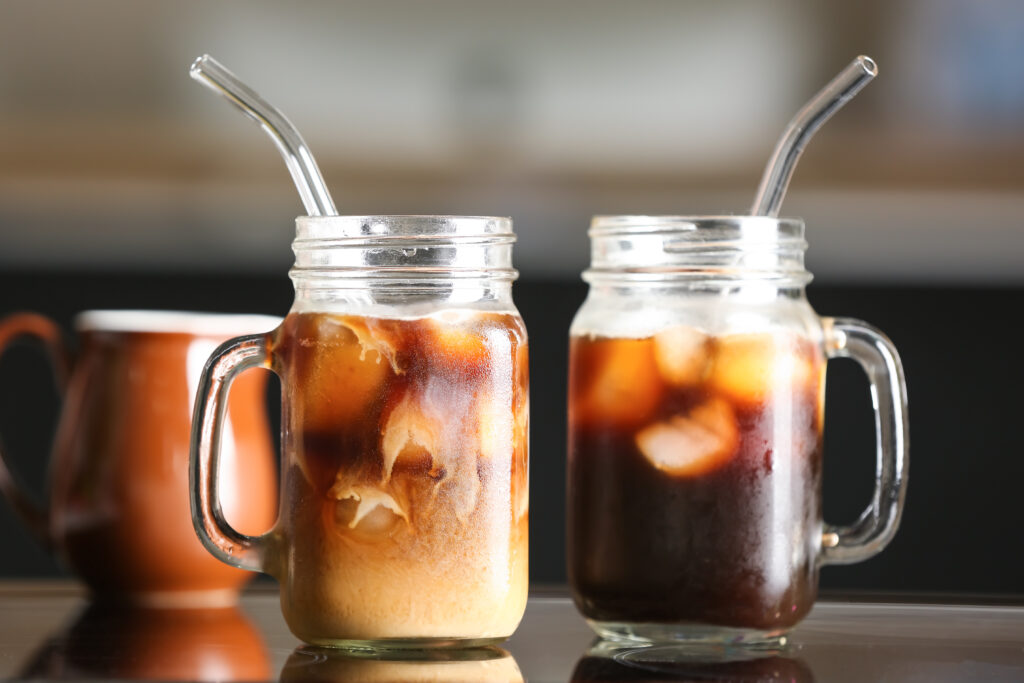
How to be Cool with Cold Brew
Cold brew is a versatile addition to any cafe or restaurant beverage program, not just for Summer but all year round and Canterbury Coffee has compiled a beginner’s guide to get you started.
Over the past decade, cold brew coffee has grown in popularity, especially among the younger generations, becoming one of the top coffee preparation methods and an essential menu staple.
In the US, there was a 580% sales growth between 2011-2016 and more than a 50% increase in cold coffee consumption in 2021, with growth expected to continue.
What is Cold Brew?
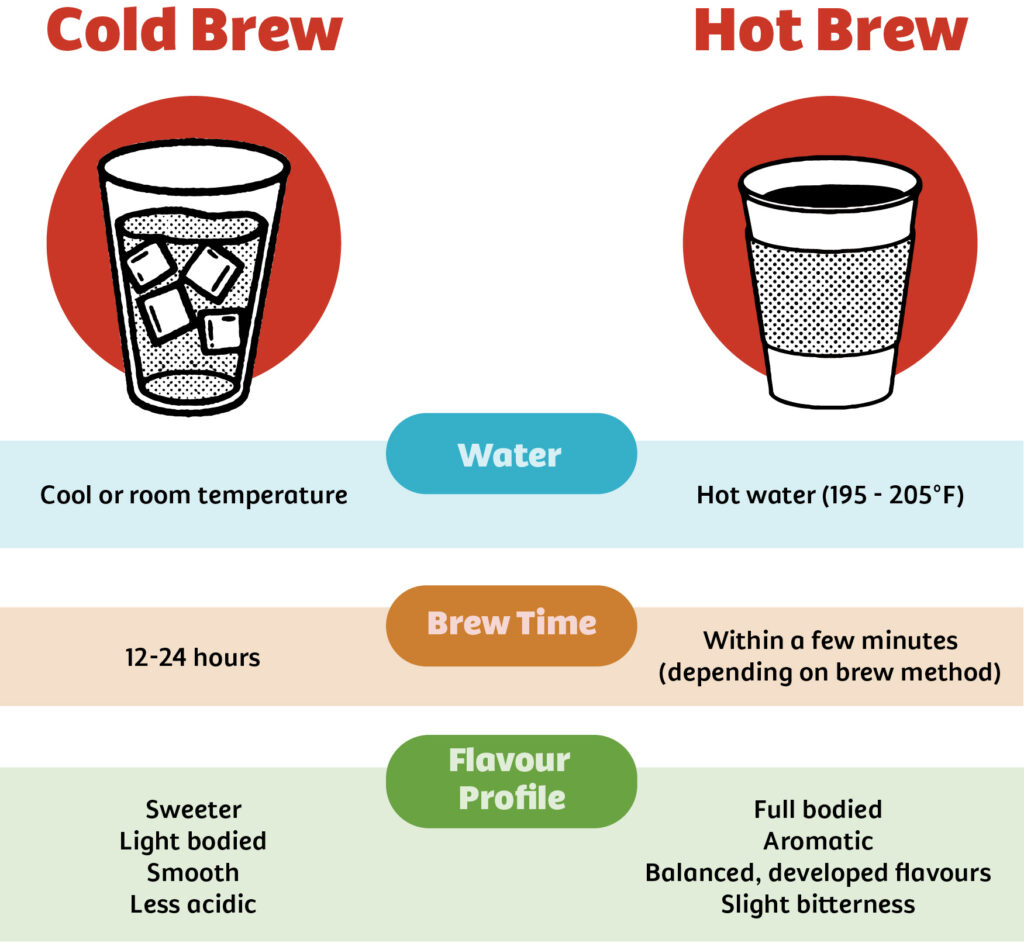
Cold brew coffee is typically brewed using cool or room temperature water and requires a longer time to fully extract the flavours of the coffee (approximately 12-24 hours). The result is a flavourful coffee concentrate that can be diluted with water or your choice of milk and served hot or cold; also prepare for a little extra morning boost.
Cold brew extracts the flavours differently than hot brewed coffee. High temperatures cause the oils and acids in the coffee to extract more quickly, creating the bitterness and acidity found in hot brewed coffee. Due to the cooler temperature, cold brew doesn’t extract as much of the coffee oils and acids, which is why cold brew coffee customarily has a less acidic profile and sweeter taste.
Here is a quick breakdown of some of the notable differences between hot and cold brewed coffee:
Cold Brew Coffee vs. Iced Coffee
Simply put, cold brew is a brewing method, and iced coffee is a serving method.

While iced coffees can use cold brew coffee, a more commonly used method is chilling hot brewed coffee and serving it over ice. How the coffee is brewed will affect the taste, so making iced coffee comes down to your preferred flavour attributes and brewing method.
How to Make Cold Brew: Large Batch Edition
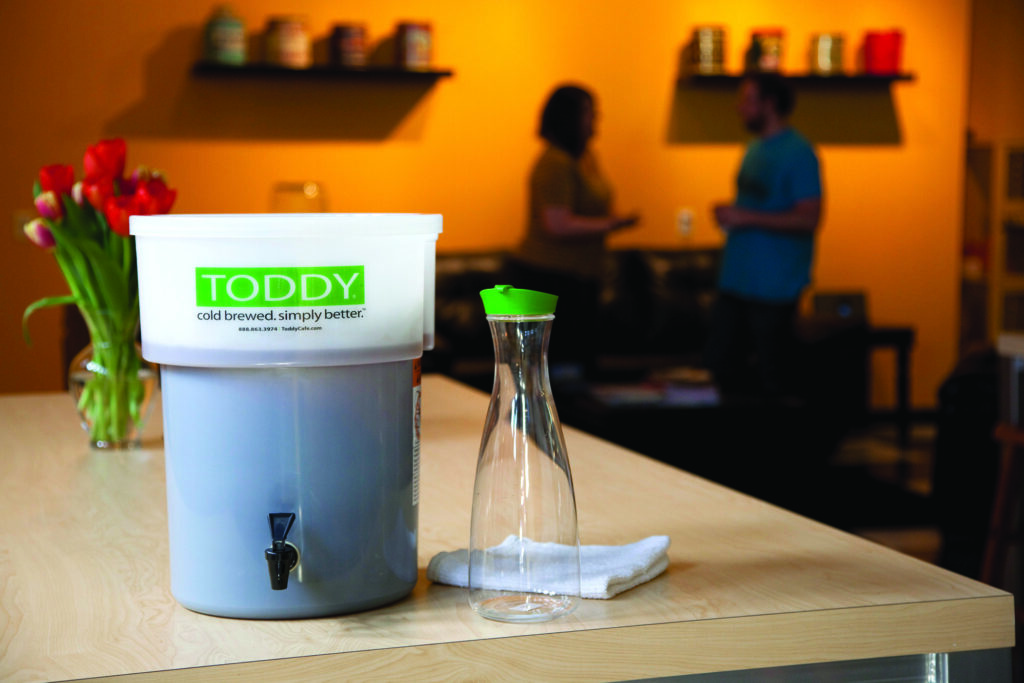
There are a variety of different ways to make cold brew coffee. To brew a larger batch of cold brew, here is Canterbury Coffee’s recommended method using the Toddy Cold Brew Commercial Model.
Toddy Cold Brew Commercial Instructions
Brews 8 L (2.5 gal) of coffee concentrate
Download printable PDF Instructions here
Ingredients:
- 2 kg (5 lbs) of coarse ground coffee
- 11.2 L (14 quarts) of fresh cool water
Equipment:
- Toddy Cold Brew Commercial Model
- Toddy Paper filter bag with string
- Toddy Reusable nylon strainer
Steps:
- Insert 1 paper filter into the nylon strainer. Put strainer and filter into brewing container with the open end facing upwards.
- Add 2 kg (5 lbs) of coarse ground coffee into the filter.
- Slowly pour 11.2 L (14 quarts) of cool water into the open filter, making sure to saturate all the coffee grounds.
- Tie the filter bag closed with string, around 3 inches (8 cm) from the top of the bag. Leave room for the coffee to move around inside.
- Gently massage the coffee grounds through the strainer to ensure saturation.
- Cover with the lid and let brew for 12-24 hours.
- Drain coffee concentrate into a lidded storage container and refrigerate.
Clean up: Lift coffee grounds and filter from brewing container using strainer. Dispose of filter and grounds. The filter is fragile when wet and tears easily. Rinse strainer and air dry for reuse.
Important Note
- Serve cold brew coffee concentrate as a 1:1 ratio with water (or milk).
- Lasts for up to 2 weeks if refrigerated in an airtight container.
Don’t Have Time to Make Your Own Cold Brew?
Try Acacia Tree Farms Ready-to-Use Cold Brew Concentrate. Mix at a ratio of 1 part coffee concentrate to 5 parts water or milk and serve. 1 L bottle makes up to 6 L of cold brew coffee.
Brew Cold, Be Bold

Cold brew’s smooth taste mixes seamlessly with a variety of flavours. Test out different Torani syrups with cold brew coffee to easily add new and exciting drinks to your menu. Also, try using cold brew concentrate as an ingredient in milkshakes, cocktails, and baking. The opportunities are endless.
Check out Iced Caramel White Mocha recipe here
For additional menu ideas, visit Canterbury Coffee’s Drink Recipes Page, and stay tuned for more cold brew drink recipes coming soon.